.png)


Is Optavia Effective For Long Term Health and Fat Loss?
If you've spent any time on social media, you've probably seen friends or family members promoting OPTAVIA. Many have impressive before-and-after photos and genuinely want to help others. But before you invest hundreds of dollars in any weight-loss program, it's important to understand how it works—and whether it supports long-term health.
What is OPTAVIA?
OPTAVIA is a commercial weight-loss program owned by Medifast.
It combines:
- Meal replacements called "Fuelings"
- One or more self-prepared "Lean & Green" meals
- Habit coaching
- Community support
- Independent coaches (most are former clients)
Their most popular plan is the 5 & 1 Plan, consisting of:
- 5 packaged Fuelings
- 1 Lean & Green meal
Other plans include:
- 4 & 2 & 1
- 5 & 1 Active
- 3 & 3 (maintenance)
- GLP-1 support kits
- Active nutrition products
Cost
Depending on the plan and promotions:
- approximately $350-$550+ per month
- groceries for Lean & Green meals are additional
The flagship 5 & 1 kit currently sells for about $470 before introductory discounts.
What are Fuelings?
Fuelings are portion-controlled processed foods including:
- protein bars
- shakes
- brownies
- cookies
- soups
- mashed potatoes
- oatmeal
- cereal
- pasta
- pancakes
- hot chocolate
- pudding
Most contain:
- whey protein
- soy protein isolate
- pea protein
- added vitamins
- added minerals
- fiber
- probiotics
- natural flavors
- gums and stabilizers
- sweeteners such as stevia or monk fruit depending on the product
Each Fueling has its own ingredient list, so there isn't a single ingredient panel that applies to all products.
My Personal Review
What it gets right
There are several positives.
Portion control
Most Americans eat portions that are too large.
OPTAVIA removes much of the guesswork.
Protein
Compared with many commercial diets, protein intake is relatively high.
Protein helps preserve lean tissue better than low-protein diets during weight loss.
Note: Some of the foods contain soy protein. which I do not recommend to anyone.
Convenience
For people who hate cooking, the meals are simple.
Accountability
Weekly coaching and community support help many people stay consistent.
Behavior support alone can improve weight-loss success.
The biggest concerns
1. Calories are extremely low
The popular 5 & 1 plan generally provides approximately 800-1,100 calories per day before the Lean & Green meal, resulting in an overall intake that is often well below many adults' energy needs.
That large calorie deficit explains much of the weight loss.
The concern is that:
- metabolism adapts
- hunger hormones rise
- fatigue increases
- muscle loss becomes more likely
- weight regain is common after stopping very-low-calorie diets
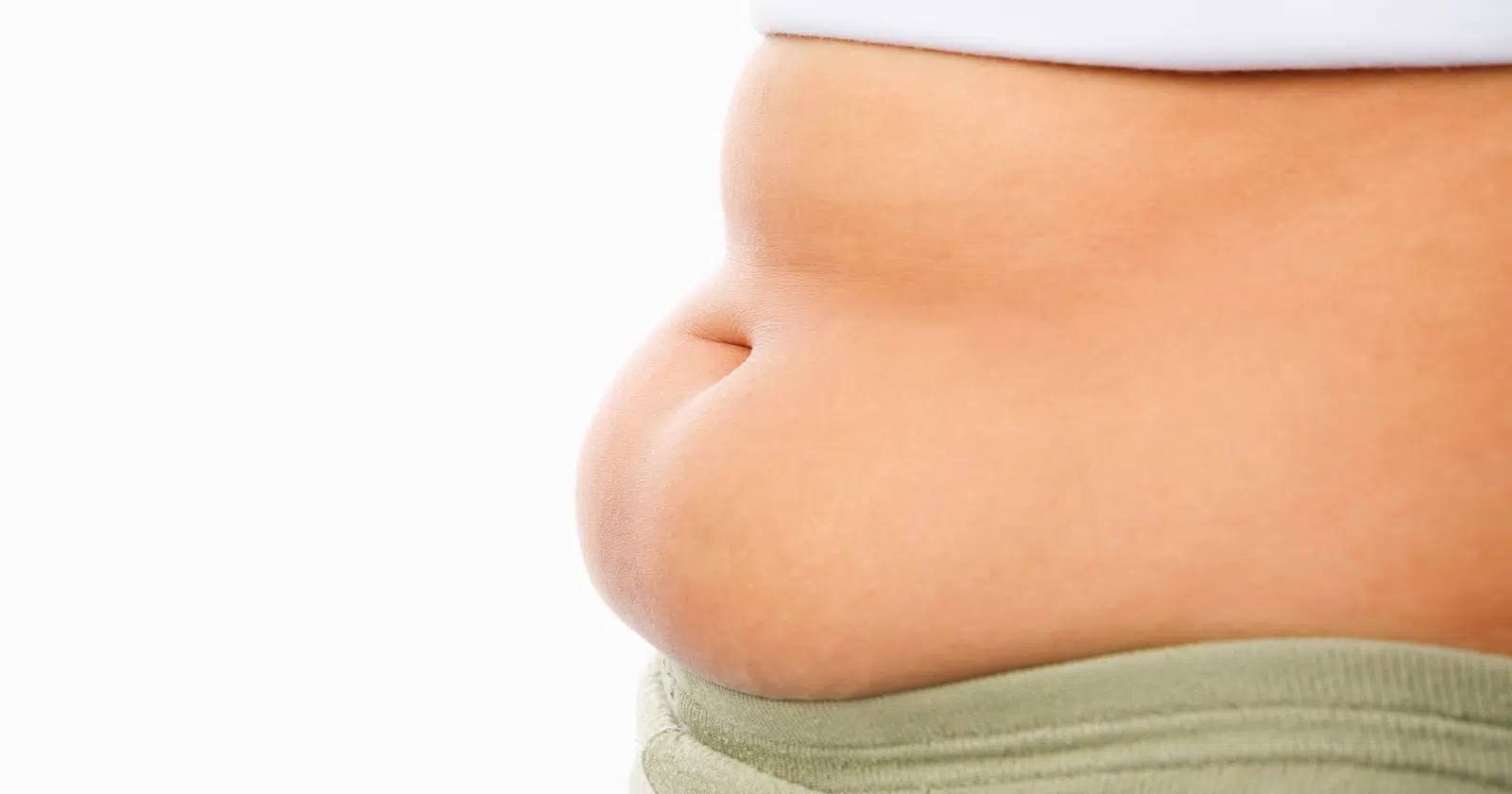
2. Weight loss is NOT the same as fat loss
This is probably the most misunderstood concept.
The scale measures:
- body fat
- muscle
- water
- glycogen
- digestive contents
Someone may lose:
- 30 pounds
But that does not mean they lost:
- 30 pounds of body fat.
Rapid weight loss often includes:
- water
- glycogen
- lean body mass
Not just fat.
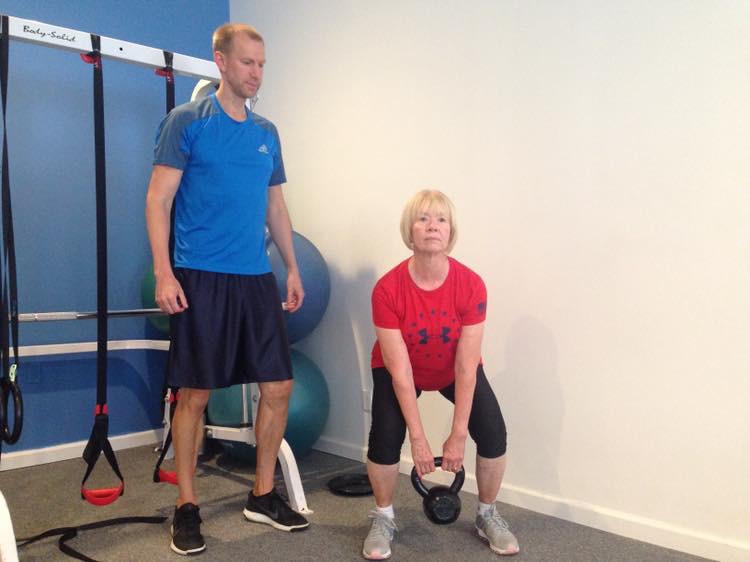
3. Muscle loss matters
This is one of my biggest concerns as a nutrition coach.
Research consistently shows that when calories are very low—especially without progressive resistance training—some lean body mass is lost during weight reduction, even when protein intake is relatively high. The amount varies from person to person.
Why is this important?
Muscle:
- burns calories every day
- improves insulin sensitivity
- supports healthy aging
- improves balance
- reduces fall risk
- maintains strength
- protects bone health
Especially after age 40-50, preserving muscle should be a major goal.
Losing muscle may make future weight maintenance harder because total daily energy expenditure often declines with reduced lean mass.
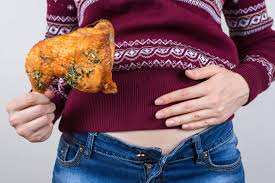
4. Highly processed foods
Although OPTAVIA Fuelings are fortified with vitamins, minerals, fiber, and protein, most are still ultra-processed foods rather than minimally processed whole foods.
Many of the foods contain soy protein isolate or concentrate which is a cheap processed protein source. Also, they contain seed oils like sunflower and canola oil, among other questionable ingredients.
A long-term healthy eating pattern is generally built around:
- lean meats
- fish
- eggs
- dairy
- vegetables
- fruit
- legumes
- whole grains
- nuts
- seeds
Rather than relying on packaged meal replacements for most meals.
It's imporant to note. Your body will burn less calories digesting highly processed foods compared to whole natural foods.
5. Sustainability
The biggest question is:
"What happens when you stop buying the food?"
Many people succeed while following the structure.
The challenge comes when they return to normal grocery shopping.
If healthy habits haven't been fully developed, weight regain is common after many restrictive diets—not just OPTAVIA.
Are the coaches qualified?
Most OPTAVIA coaches are independent coaches who were previously clients. The company states that about 90% were clients first.
Some coaches also happen to be registered dietitians, nurses, physicians, or certified trainers.
However, becoming an OPTAVIA coach does not, by itself, require becoming a licensed dietitian or earning an accredited nutrition or exercise credential.
That doesn't mean every coach lacks knowledge, but consumers should understand that coaching experience and formal healthcare credentials are not the same thing.
Why many dietitians and certified trainers are cautious
Many registered dietitians and certified fitness professionals express concerns because the program:
- relies heavily on meal replacements
- is very low calorie
- unhealthy ingredients (soy, preseervatives and vegetable oils)
- can be difficult to sustain long term
- is expensive
- may not teach independent meal planning as effectively as whole-food-based approaches
Some clinicians may still recommend it in selected situations, particularly for closely monitored weight-loss programs. However, any qualified professional that does their research on the foods and the ingredients and has their clients best interest in mind would hopefully agree.
Does it taste good?
Taste is subjective.
Reviews vary widely.
Some users enjoy:
- bars
- brownies
- shakes
Others report that soups, pasta, or certain snacks have an artificial or processed taste.
Lawsuits and legal history
OPTAVIA's parent company, Medifast, has faced legal action in the past.
A notable case occurred in 2012, when its subsidiary Jason Pharmaceuticals agreed to pay $3.7 million to settle allegations by the Federal Trade Commission and the United States Department of Justice over advertising claims that consumers could lose "2–5 pounds per week" without adequate scientific support. The settlement did not require an admission of wrongdoing but required future weight-loss claims to be supported by competent scientific evidence.
Overall Pros
- Convenient
- Structured
- High in protein
- Portion controlled
- Strong accountability
- Can produce significant short-term weight loss
Overall Cons
- Expensive
- Heavy reliance on packaged foods
- Very low calorie for many people
- Some foods contain cheap soy protein
- Some foods contain seed oils and and preservatives.
- May increase the risk of losing lean body mass during weight loss
- Difficult for some people to sustain long term
- Coaching credentials vary widely
My conclusion as a nutrition coach
If someone's only goal is to make the scale go down quickly, OPTAVIA can be effective because it creates a substantial calorie deficit and provides structure.
If the goal is long-term fat loss while preserving muscle, maintaining metabolism, improving strength, and learning sustainable eating habits, I personally would instead emphasize a moderate calorie deficit, moderate carb, adequate protein, progressive strength training, regular physical activity, and mostly whole foods. That approach tends to align better with preserving lean mass and building lifelong habits, though it may produce slower weight loss than a very-low-calorie commercial program.
Most short-term weight loss fixes create long-term fat loss problems.
Before you start a weight loss program, diet, pill, or injection, ask yourself one simple question:
"Will this help me build and maintain muscle while losing body fat... or will it just help me lose weight quickly?"
That question matters because weight loss and fat loss are not the same thing.
If a program isn't focused on protecting and building muscle through:
- Eating enough quality protein and nutrient-dense foods
- Strength training consistently
- Supporting your metabolism instead of simply eating less
...then there's a good chance you're setting yourself up for a slower metabolism, muscle loss, weight regain, and another cycle of frustration.
The goal shouldn't be to see the scale drop as fast as possible.
The goal should be to lose fat, preserve muscle, and build a body that burns more calories for years—not just weeks.
More Muscle = Better Metabolism = Long-Term Fat Loss
Don't chase weight loss.
Build muscle. Burn fat. Keep it off.
Lastly, ask yourself one more important question before you try any diet or program like Optavia.
Does the person recommending this product/program have my long term health and best interest in mind? Or are they more interested in making money off me with an inferior product at a superior price?
My goal in working with anyone is to make sure I am I setting them up for long term success and not short or long term failure.
Your Fitness and Nutrition Coach,
-David Modderman
Discover the Latest Fitness Trends
Stay up to date with our informative blog posts.









%2520(1).jpeg)
%2520(4).jpeg)
%2520(3).jpeg)
%2520(2).jpeg)
.jpeg)
